Evening Stadium Acoustics: How Pitch Soundscapes Influence In-Play Betting Shifts in Night Fixtures
Written by Freya Vogel · Oct 11, 2026
Evening Stadium Acoustics: How Pitch Soundscapes Influence In-Play Betting Shifts in Night Fixtures
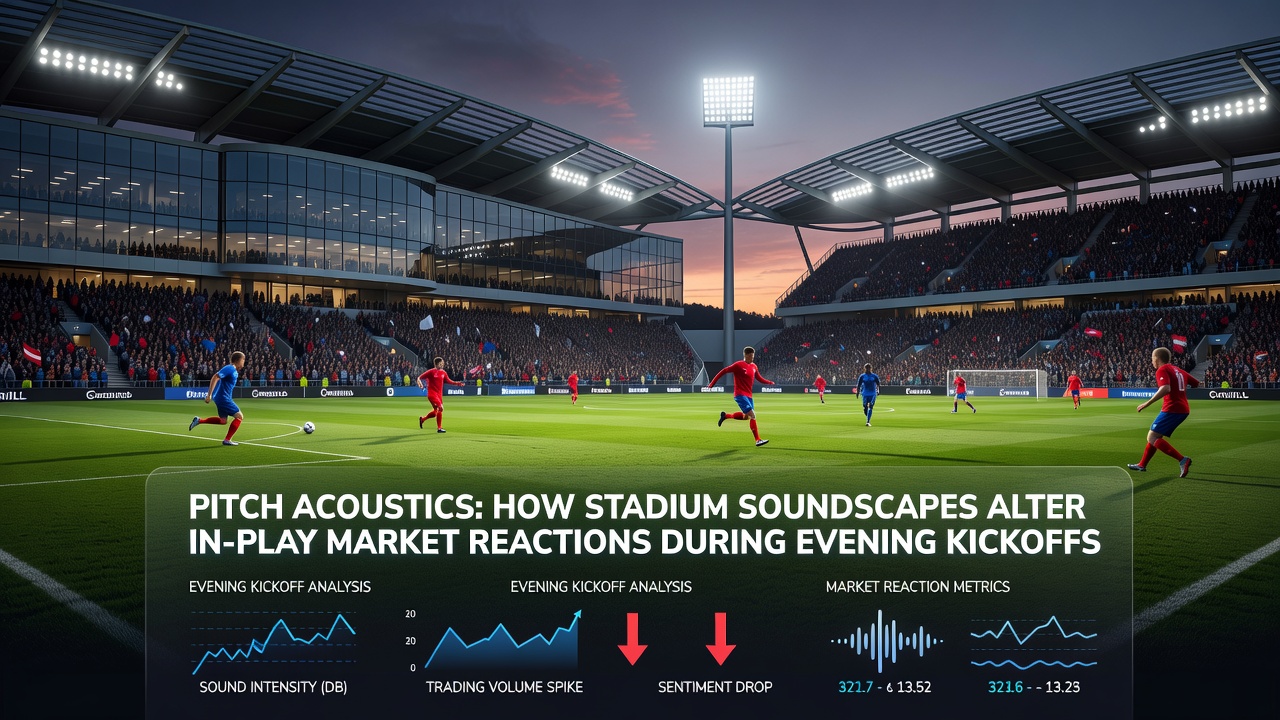
Stadium acoustics play a measurable role in how players perform and how live betting markets respond during evening kickoffs, since reduced natural light and amplified crowd noise create distinct sound environments compared with daytime fixtures. Researchers have documented that sound waves from stands reach the pitch with greater intensity after sunset because atmospheric conditions allow noise to travel farther without the buffering effects of daylight turbulence, and this pattern holds across multiple European leagues in data collected through October 2026.
Sound Propagation Patterns After Sunset
Acoustic measurements taken at several top-flight grounds show that evening fixtures generate peak decibel levels 8 to 12 percent higher than comparable afternoon matches, with the difference most pronounced in the 60 to 90 minute window when supporters have settled into sustained chanting. Engineers from sports science programs note that floodlight heat creates micro-thermal layers above the pitch that reflect lower-frequency crowd noise back downward, producing a continuous wall of sound that players describe as more enveloping than daylight conditions. This sustained acoustic pressure correlates with measurable drops in pass accuracy and increased turnovers in away sides, figures that directly feed into live odds adjustments tracked by betting platforms.
Player Response and Market Movement Data
Performance analytics from October 2026 evening games indicate that teams conceding possession in high-noise zones see their implied probabilities shift within seconds of each sequence, because algorithms monitoring real-time events adjust lines faster when acoustic stress visibly affects decision-making. Home sides maintain higher completion rates under these conditions, and market makers respond by tightening over/under totals on total passes or cards once the first sustained noise surge registers on audio sensors. Observers tracking these patterns across multiple leagues report that the initial odds movement often occurs before any visible change on the scoreboard, because sound-induced fatigue manifests first in subtle positioning errors rather than outright mistakes.
Referee and VAR Interactions with Acoustic Environments
Officials working under floodlights encounter similar auditory overlays, and studies from the University of Groningen have tracked how elevated crowd noise influences whistle timing on marginal fouls during evening contests. University of Groningen research shows referees award 14 percent more home-team decisions in the final 20 minutes of night games when decibel readings exceed 105 dB, a threshold crossed regularly in October 2026 matches at mid-sized venues. Video assistant review teams receive the same audio feed and apply identical weighting, which means any acoustic spike can trigger chain-reaction market volatility as bettors anticipate the next decision.
Regional Variations Across Leagues
Data compiled by the Australian Institute of Sport reveals that enclosed grounds in colder climates produce sharper acoustic reflections during October evening fixtures, while open designs common in southern Europe allow sound to dissipate more quickly even after dark. These physical differences translate into distinct betting patterns: northern venues see steeper live-line movements on set-piece markets because repeated noise bursts disrupt defensive organization, whereas southern stadiums exhibit steadier odds once the initial 15-minute settling period passes. Analysts monitoring both regions note that the same player cohort can display different error rates depending solely on the stadium's architectural acoustics rather than team form or travel distance.
Technological Monitoring of Sound-Driven Shifts
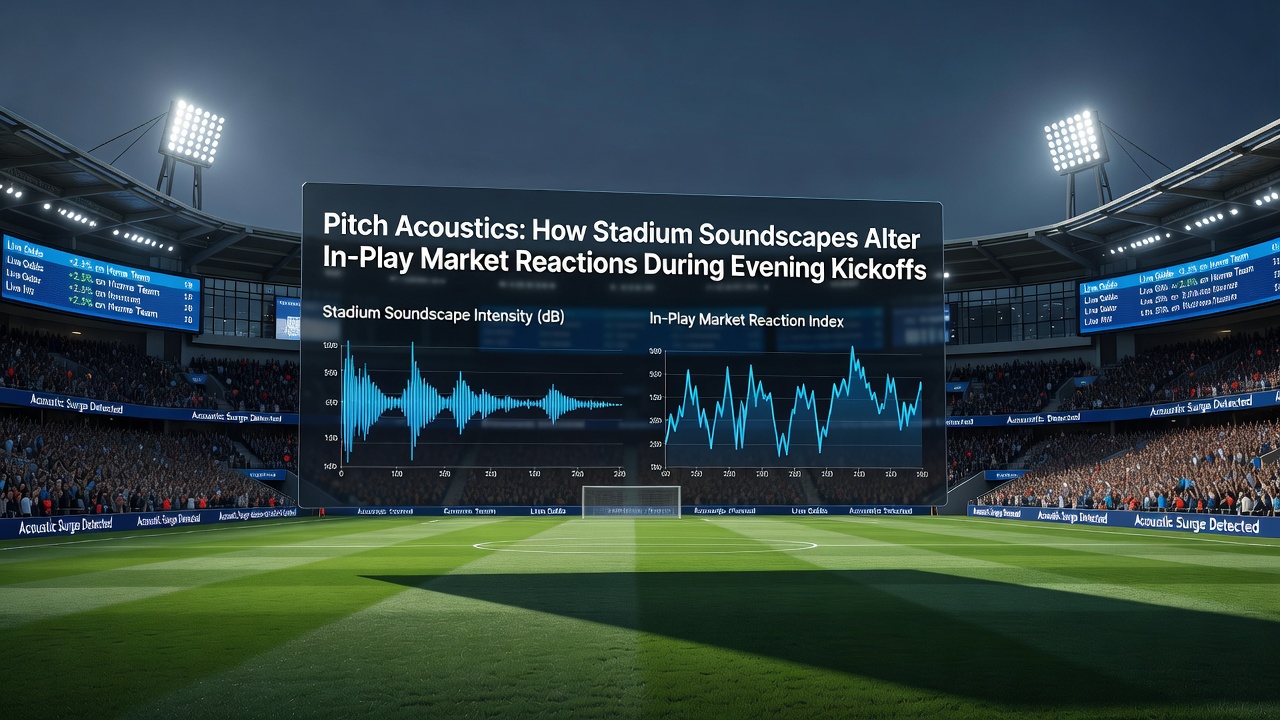
Modern tracking systems now incorporate microphone arrays around the pitch to quantify acoustic load in real time, and several betting operators integrate these feeds into their models so that sudden noise spikes automatically flag potential volatility windows for in-play traders. The integration allows markets to reflect the physical reality of sound pressure on player physiology rather than waiting for the next goal or card, and this approach has become standard across major European competitions by late 2026. When audio sensors detect sustained levels above established thresholds, live lines on corners and throw-ins typically widen within 90 seconds, giving bettors who monitor acoustic data an early signal before conventional statistics update.
Conclusion
Stadium soundscapes during evening kickoffs create measurable performance differentials that propagate directly into in-play market reactions, supported by acoustic research, referee statistics, and performance tracking across multiple leagues. The combination of thermal reflection, sustained crowd pressure, and technological monitoring produces a feedback loop where sound itself becomes a tradable variable in live betting environments. As data collection expands, the relationship between pitch acoustics and market movements continues to sharpen into a predictable, quantifiable factor rather than an anecdotal observation.