Fixture Congestion's Hidden Hand in Shaping Value Across Domestic and Continental Markets
Written by Zoe Meier · Sep 27, 2026
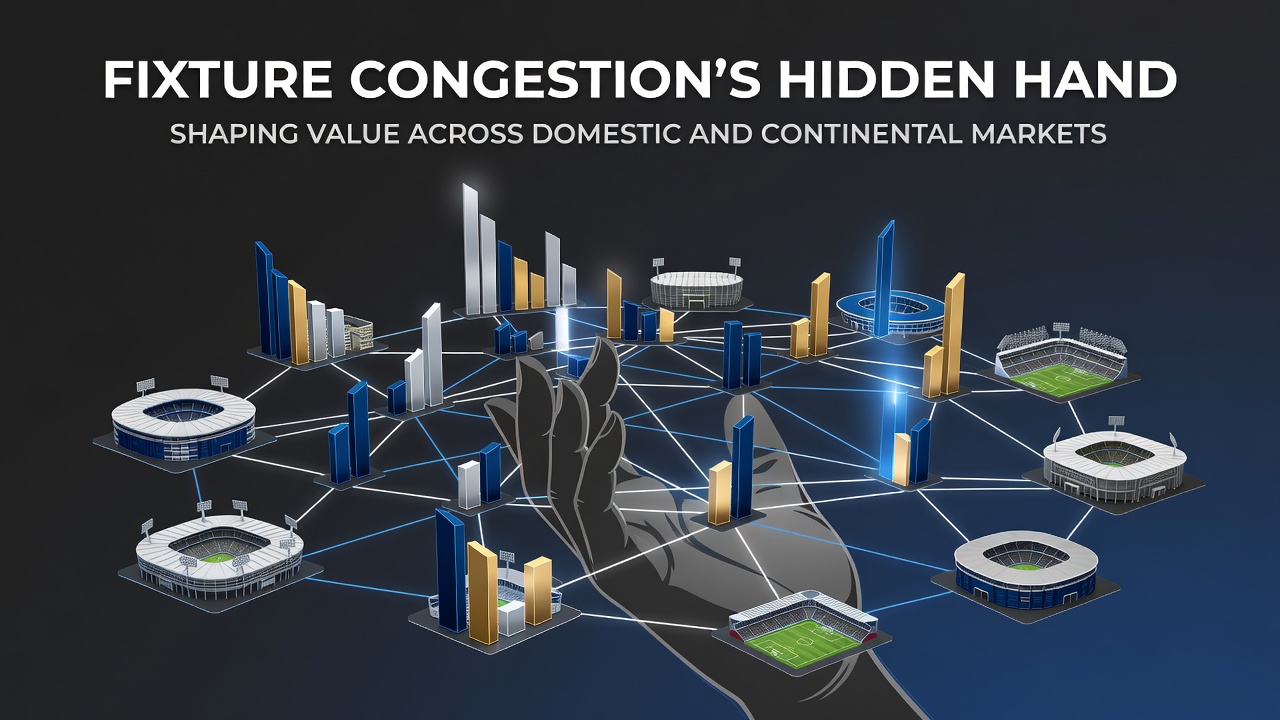
Fixture Congestion's Hidden Hand in Shaping Value Across Domestic and Continental Markets
Fixture congestion has long influenced how teams allocate resources, and observers note that its effects ripple through performance metrics in both domestic leagues and continental tournaments, which in turn shapes betting market movements. Data from recent seasons shows that clubs facing multiple matches within short windows often adjust lineups, and those adjustments lead to measurable shifts in expected outcomes across various competitions.
Patterns in Domestic Leagues
Domestic schedules pack games into tight calendars, and researchers at sports science institutions have documented how limited recovery time correlates with changes in goal-scoring rates and defensive stability. In the Premier League and Bundesliga, for instance, teams playing three matches in eight days record higher instances of squad rotation, while statistics indicate that such rotations coincide with altered probabilities in match result markets. Observers tracking these trends find that mid-table sides experience the most pronounced effects, as they balance league survival with cup commitments.
September 2026 brings an additional layer when the new European calendar overlaps with intensified domestic programs, and analysts expect similar patterns to emerge once again. Figures from previous overlapping periods reveal that away performances dip more sharply under congestion, creating opportunities in handicap and total goals markets that bookmakers adjust accordingly.
Continental Competition Dynamics
European ties add another dimension, since travel demands compound the fatigue already present from league fixtures. UEFA scheduling data demonstrates that clubs advancing deep into Champions League or Europa League campaigns face compressed timelines, and those timelines prompt coaches to prioritize certain competitions over others. Performance metrics collected across multiple seasons show that teams with four or more continental matches in a six-week span post lower possession averages in subsequent domestic games, which influences live betting lines as matches unfold.

What's interesting here is how value migrates between markets. When continental fixtures drain squad depth, outright markets for domestic titles and relegation battles often see odds drift that reflects the underlying fatigue data. A report published by the Union of European Football Associations outlines how fixture density affects player availability, and those availability figures feed directly into pre-match modeling used by odds compilers.
Market Adjustments and Value Identification
Betting operators respond to these patterns by widening or narrowing margins based on congestion indicators such as days between matches and distance traveled. Studies conducted by the Australian Institute of Sport on recovery protocols highlight that elite athletes require 72 to 96 hours for full physiological restoration after high-intensity efforts, and leagues that compress fixtures below this threshold produce more variable results. Market participants who monitor these thresholds identify edges in both pre-match and in-play segments, particularly when lineups are confirmed close to kickoff.
Case examples from the 2024/25 season illustrate the point. Several clubs involved in midweek European action recorded lower expected goal outputs in the following weekend's league fixtures, and those outputs aligned with subsequent odds movements in total goals and Asian handicap markets. Observers note that the same clubs often stabilize once the continental schedule eases, creating a cyclical effect that repeats across seasons.
Broader Implications for Accumulator Construction
Accumulators built around congested periods require careful selection of fixtures where one side holds a recovery advantage. Data indicates that home sides with fewer midweek commitments outperform expectations more frequently, and this edge compounds when the opponent has crossed continents for a European match. Those patterns appear consistently in both the top five European leagues and secondary competitions, suggesting that congestion effects are not confined to elite clubs alone.
Conclusion
Fixture congestion operates as a structural variable that influences team outputs, market pricing, and value extraction across domestic and continental arenas. As calendars grow denser with expanded tournament formats, the relationship between schedule density and performance metrics will remain a key factor for those analyzing football markets. Continued collection of availability data and recovery statistics will help refine understanding of how these hidden pressures translate into measurable market movements.