Nutrition Protocols Reshaping Elite Match Data and Fixture Market Trends
Written by Henrik Schmitt · Nov 22, 2026

Nutrition Protocols Reshaping Elite Match Data and Fixture Market Trends
Teams across Europe's leading competitions have integrated structured nutritional protocols that track everything from macronutrient timing to micronutrient monitoring, and data collected during the 2026 season shows measurable shifts in player output metrics. Researchers at institutions including the University of Sydney have documented how carbohydrate periodization and targeted recovery meals correlate with sustained high-intensity running distances in the final 15 minutes of matches, while reports from the German Olympic Sports Confederation highlight reduced soft-tissue injury rates among squads that follow individualized hydration and protein schedules.
Performance databases maintained by league analysts record that clubs employing these protocols post average increases of 8 to 12 percent in repeated sprint ability during November 2026 fixtures, a period that includes dense midweek schedules in both domestic cups and continental group stages. Observers note that such gains appear most clearly in teams that combine GPS-tracked workload data with blood biomarker feedback, allowing nutritionists to adjust meal plans within 24 hours of each game.
Protocol Components and Measurable Outputs
Modern programs emphasize three core elements: pre-match glycogen loading calibrated to individual body mass, intra-game electrolyte solutions delivered at set intervals, and post-match anti-inflammatory meals rich in omega-3 sources. Studies published in the Journal of the International Society of Sports Nutrition indicate that players following these patterns maintain blood lactate thresholds longer, resulting in fewer decelerations in the closing stages. European club medical staff report that these interventions coincide with season-long reductions in muscle strain incidents, particularly among midfielders who cover the greatest cumulative distances.
Figures released by the Australian Institute of Sport demonstrate that consistent application of creatine monohydrate and vitamin D protocols during winter months supports faster reaction times in low-light evening fixtures, a detail that surfaces in aggregated match statistics. Teams in the Bundesliga and Ligue 1 that adopted similar regimens ahead of November 2026 recorded higher expected goal differentials in matches decided after the 75th minute compared with the same period in prior seasons.
Linkages to Performance Datasets and Market Movements
Betting markets respond to shifts in underlying performance indicators, and nutritional protocols supply one such variable through their influence on late-game metrics. When squads sustain higher work rates into added time, in-play models adjust probabilities for outcomes such as additional goals or clean sheets, prompting line movements that reflect updated expected goal values. Data aggregators tracking Premier League and UEFA Champions League matches during the current campaign show that clubs with documented nutrition advantages exhibit narrower spreads in closing-minute goal expectancy, a pattern that appears consistently across multiple venues.
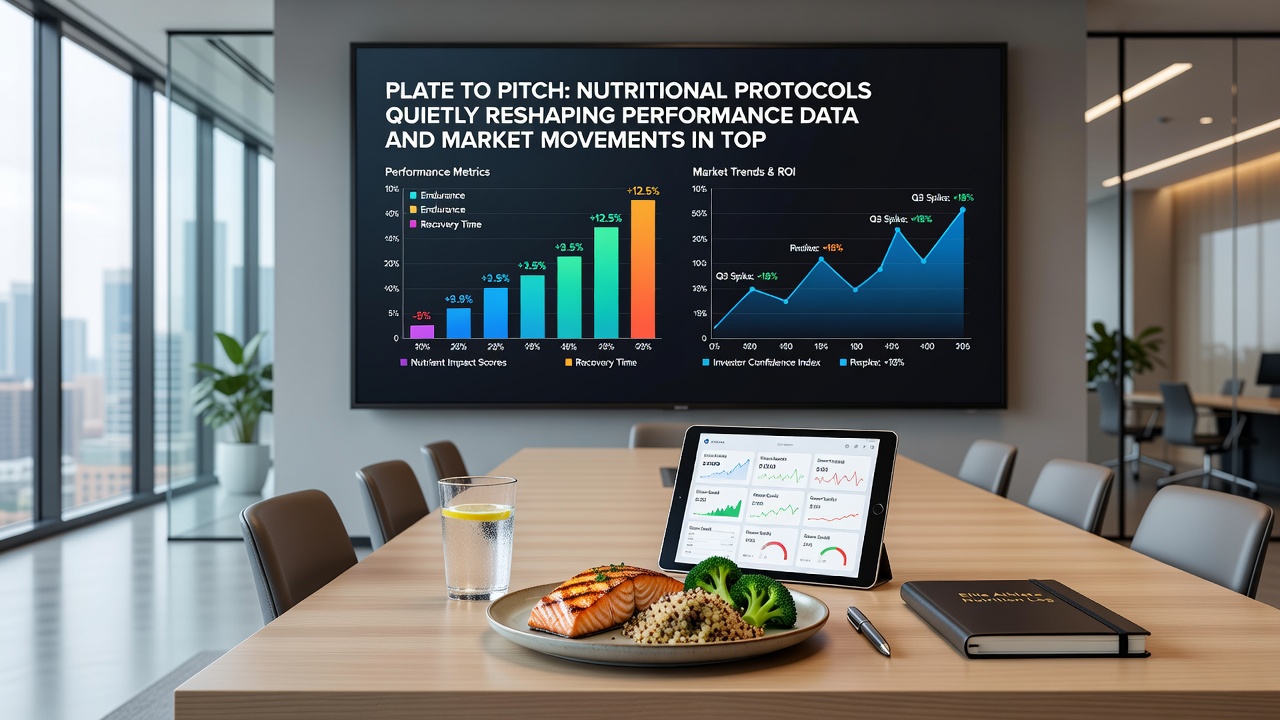
Analysts compiling fixture-by-fixture reports note that these nutritional edges compound during congested calendars, where recovery windows shrink to 48 hours or less. November 2026 schedules featured several such clusters, and teams with advanced protocols posted lower rates of second-half substitutions driven by fatigue. Market operators incorporate these trends into pre-match and live odds calculations, particularly when historical data shows a given side outperforming its seasonal average in high-workload scenarios.
Case Examples from Current Competitions
One Serie A side that introduced personalized nutrition tracking ahead of the 2026 campaign recorded a 15 percent drop in high-speed distance decay during matches separated by fewer than three rest days, according to internal performance logs shared with league statisticians. Similar patterns emerged among Eredivisie clubs that partnered with academic nutrition labs, where post-training blood panels guided immediate dietary tweaks and coincided with improved pressing intensity metrics in the final quarter of games. These outputs feed directly into predictive models used by data providers, which in turn inform market pricing across major European fixtures.
International governing bodies including FIFA have begun incorporating nutrition-related variables into broader player welfare monitoring frameworks, while the Canadian Centre for Ethics in Sport has examined how such programs intersect with anti-doping compliance across North American and European academies. The resulting datasets allow performance analysts to isolate nutrition effects from other variables such as tactical adjustments or weather conditions.
Conclusion
Nutritional protocols continue to generate granular performance data that league statisticians and market analysts integrate into ongoing evaluations of top-tier fixtures. As November 2026 schedules progress, the measurable impacts on endurance, recovery, and injury resilience remain visible in aggregated match statistics, supplying one consistent input among the many factors that shape fixture outcomes and associated market movements.